Persistent pain isn’t always something you should ignore. Learn when an MRI scan may be appropriate, what symptoms to look out for, and what to do if you don’t have a referral.
Whether you’ve been living with back pain for weeks, are recovering from a sports injury, or have symptoms that simply don’t feel right, you may be wondering whether it’s time to have an MRI scan.
Many conditions improve with rest, physiotherapy or simple treatment. But when symptoms persist or worsen, further investigation may be needed.
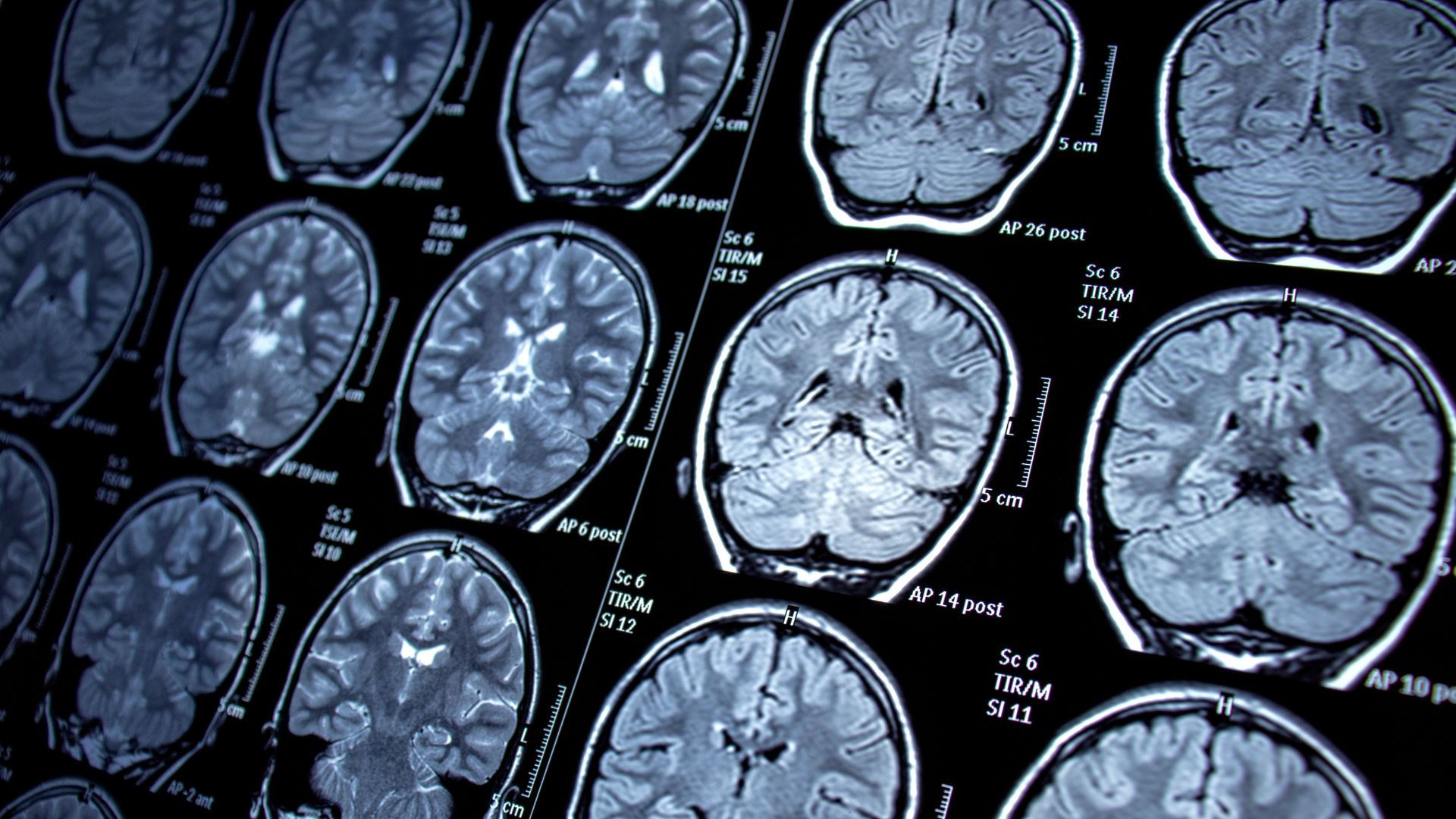
An MRI is one of the most detailed imaging tests available and can help identify a wide range of conditions affecting the muscles, joints, spine, brain and other soft tissues.
Here’s how to know when it may be time to consider an MRI.
What is an MRI scan?
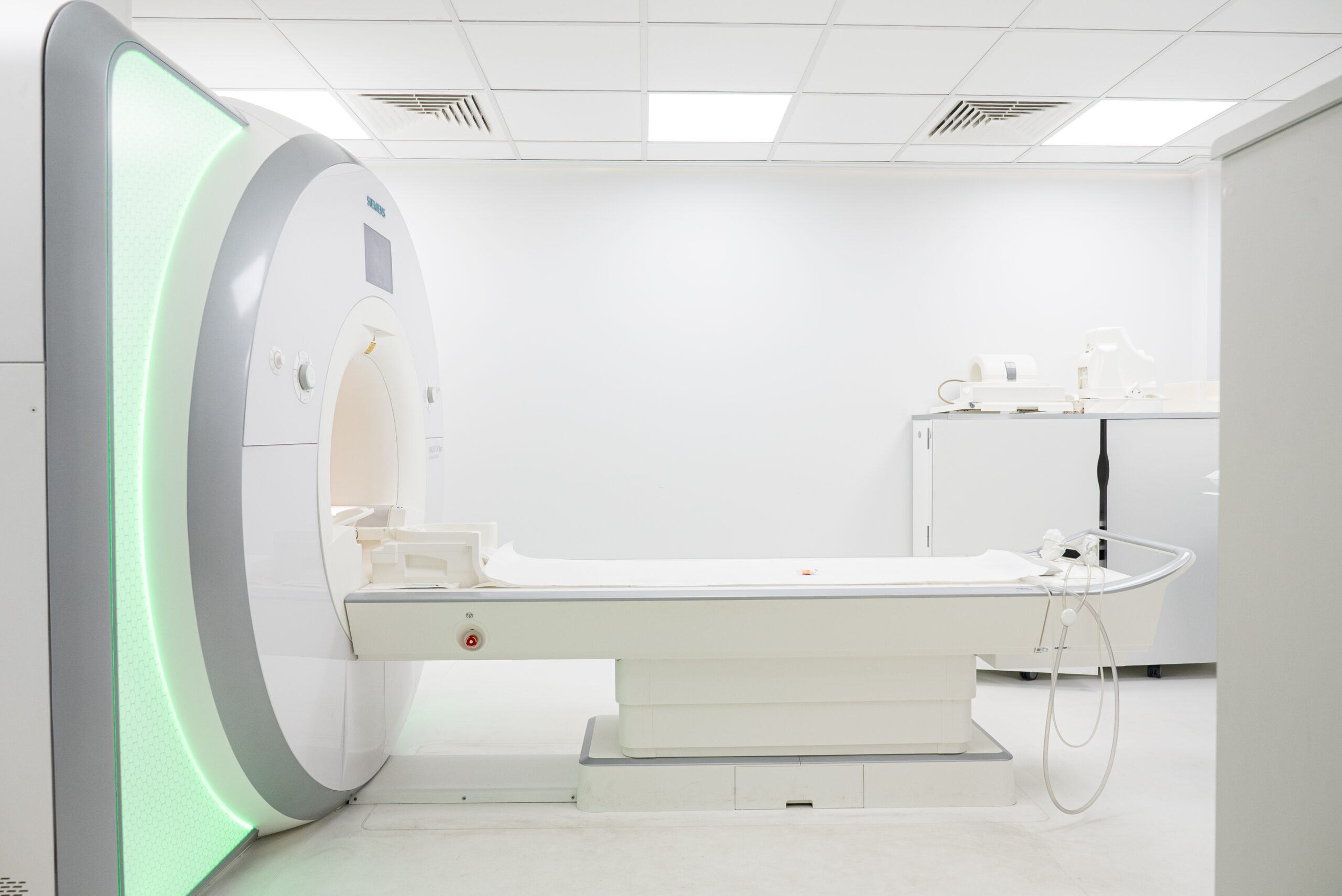
Magnetic Resonance Imaging (MRI) uses powerful magnets and radio waves to produce highly detailed images of structures inside the body.
Unlike X-rays and CT scans, MRI does not use ionising radiation, making it an excellent imaging choice for many musculoskeletal, neurological and soft tissue conditions.
MRI is commonly used to examine:
Because MRI provides such detailed images, it often helps clinicians understand the cause of symptoms and decide on the most appropriate treatment.
When should you consider getting an MRI?
Every patient is different, but there are several situations where an MRI may be appropriate.
1. Your pain isn’t improving
Most minor injuries and aches begin to improve within a few weeks.
If your pain continues despite rest, physiotherapy or medication, it may be time to investigate further.
This is especially true if your symptoms are affecting your:
Persistent pain deserves an explanation rather than simply hoping it will disappear.
2. Your symptoms are getting worse
If your symptoms are becoming more severe instead of improving, don’t ignore them.
Examples include:
An MRI can help identify whether there is damage to muscles, tendons, ligaments, cartilage or nerves.
3. You’ve had an injury that hasn’t healed as expected
Not every injury recovers within the expected timeframe.
If you’ve experienced:
and your symptoms continue long after the initial injury, an MRI may help identify underlying damage that isn’t visible on an X-ray.
4. You have ongoing numbness, tingling or weakness
Symptoms affecting your nerves should always be assessed by a healthcare professional.
These may include:
MRI is commonly used to investigate the brain, spine and nerves and can help identify conditions affecting these areas.
5. Your healthcare professional recommends further investigation
Sometimes a physical examination alone cannot determine exactly what’s causing your symptoms.
An MRI provides detailed information that may help confirm or rule out possible causes before deciding on the most appropriate treatment.
This can help guide:
Does everyone with back pain need an MRI?
No.
Most episodes of back pain improve without the need for imaging.
However, an MRI may be appropriate if:
The decision to arrange an MRI should always be based on your individual symptoms and clinical assessment.
Can an MRI detect everything?
MRI is one of the most accurate imaging techniques available for examining soft tissues, joints, muscles, ligaments and nerves.
However, no scan can diagnose every cause of pain.
MRI findings always need to be interpreted alongside your symptoms, medical history and examination by an appropriately qualified healthcare professional.
Do you need a GP referral for an MRI?
Not always.
If you’re paying privately, there are several ways to access an MRI scan.
Some patients are referred by their GP, physiotherapist, osteopath or consultant, while others use services designed to help patients access imaging more quickly.
If you’re unsure whether an MRI is appropriate, Oryon’s Fast Track Referral service allows you to speak with a clinician who can assess your symptoms and, where clinically appropriate, provide a referral for imaging.
What happens after your MRI?
After your scan, the images are carefully reviewed by an experienced consultant radiologist.
A detailed report is prepared and sent to your referring clinician, who will discuss the findings with you and recommend the next steps.
Depending on the results, this may include:
The purpose of an MRI isn’t simply to produce images – it’s to help you understand what’s causing your symptoms and support informed decisions about your care.
When should you seek urgent medical attention?
While many causes of pain are not emergencies, some symptoms require urgent medical assessment.
Seek immediate medical advice if you experience:
If you’re unsure, seek advice from an appropriate healthcare professional or emergency medical services.
Frequently asked questions
Many minor injuries improve within a few weeks. If your symptoms persist, worsen or significantly affect your daily life, it’s worth discussing whether an MRI may be appropriate with a healthcare professional.
No. MRI scans are painless. You’ll simply need to lie still while the scanner takes detailed images. The scanner makes loud tapping noises during the examination, but ear protection is provided.
The length of the scan depends on the area being examined but typically ranges from 20 to 60 minutes.
MRI is considered a very safe imaging technique for most patients because it does not use ionising radiation. However, it isn’t suitable for everyone, particularly some people with certain implanted medical devices or metal fragments. You’ll complete a safety questionnaire before your appointment.
Private MRI appointments are often available much sooner than many patients expect. Availability will depend on the type of scan required and appointment availability.
Unsure whether you need an MRI?
If you’ve been living with persistent pain, have symptoms that aren’t improving, or simply want to understand what’s causing your symptoms, speaking to a healthcare professional is the best place to start.
If you don’t already have a referral, Oryon’s Fast Track Referral service can assess whether imaging is clinically appropriate and, where suitable, arrange a referral for your MRI scan.
Our experienced team can also answer any questions about the MRI process and help you find the right appointment.
Call our friendly bookings team on 020 7042 1888 or learn more about our Fast Track Referral service today.