Injuries are an unfortunate part of life for athletes at every level, whether you’re a professional or a weekend warrior. One of the most common questions we get from patients at Oryon Imaging is: How can an MRI help me recover faster from a sports injury? If you’re dealing with a sports-related injury, an MRI (Magnetic Resonance Imaging) scan could be a key tool in your recovery process, providing detailed images of your body’s soft tissues. This powerful imaging technique can give you critical insights into the extent of the damage and guide your treatment plan.
But how exactly does an MRI work for sports injuries? Let’s dive in and explore how MRI scans can expedite your recovery.
What Is a Sports MRI?
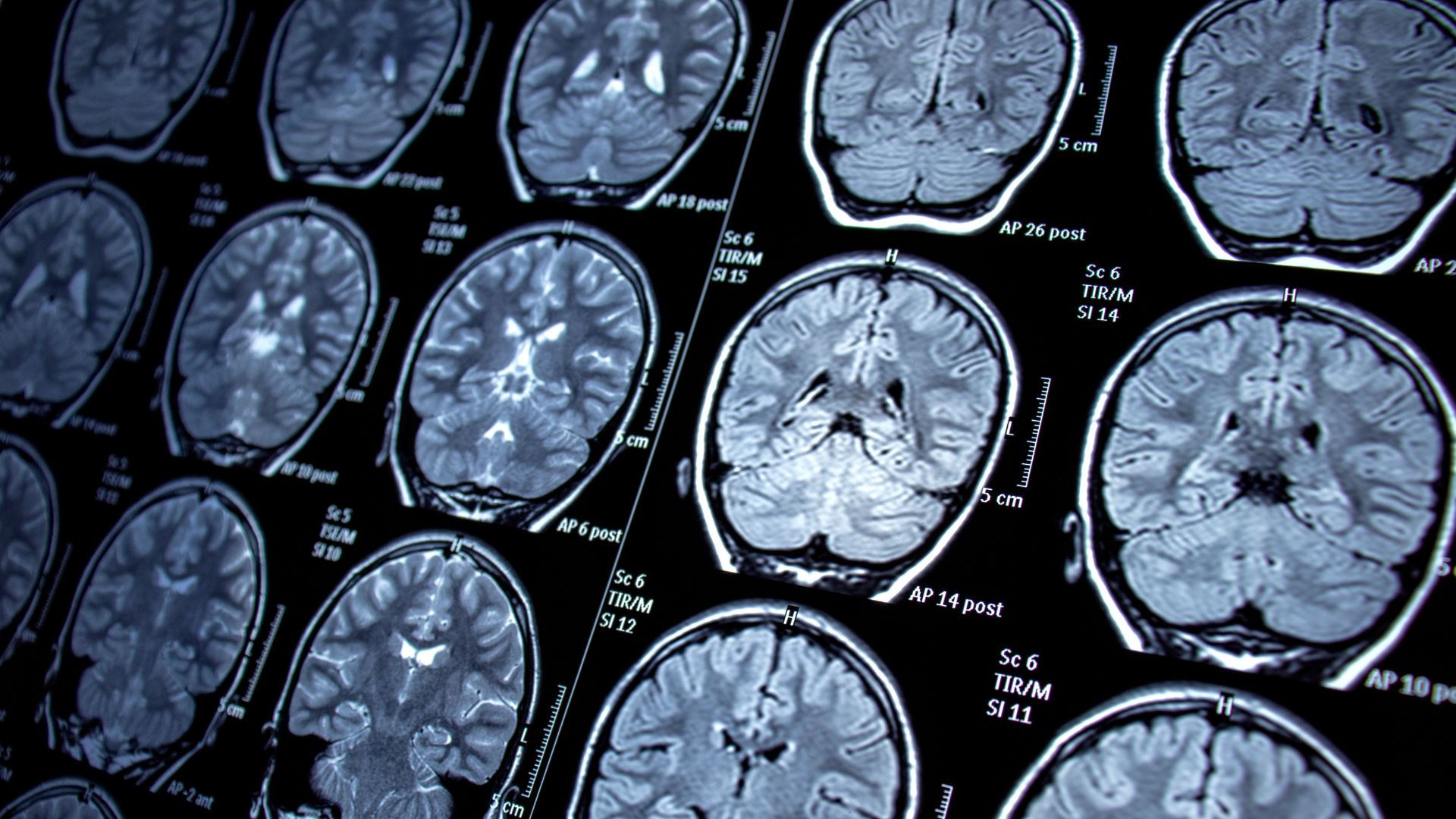
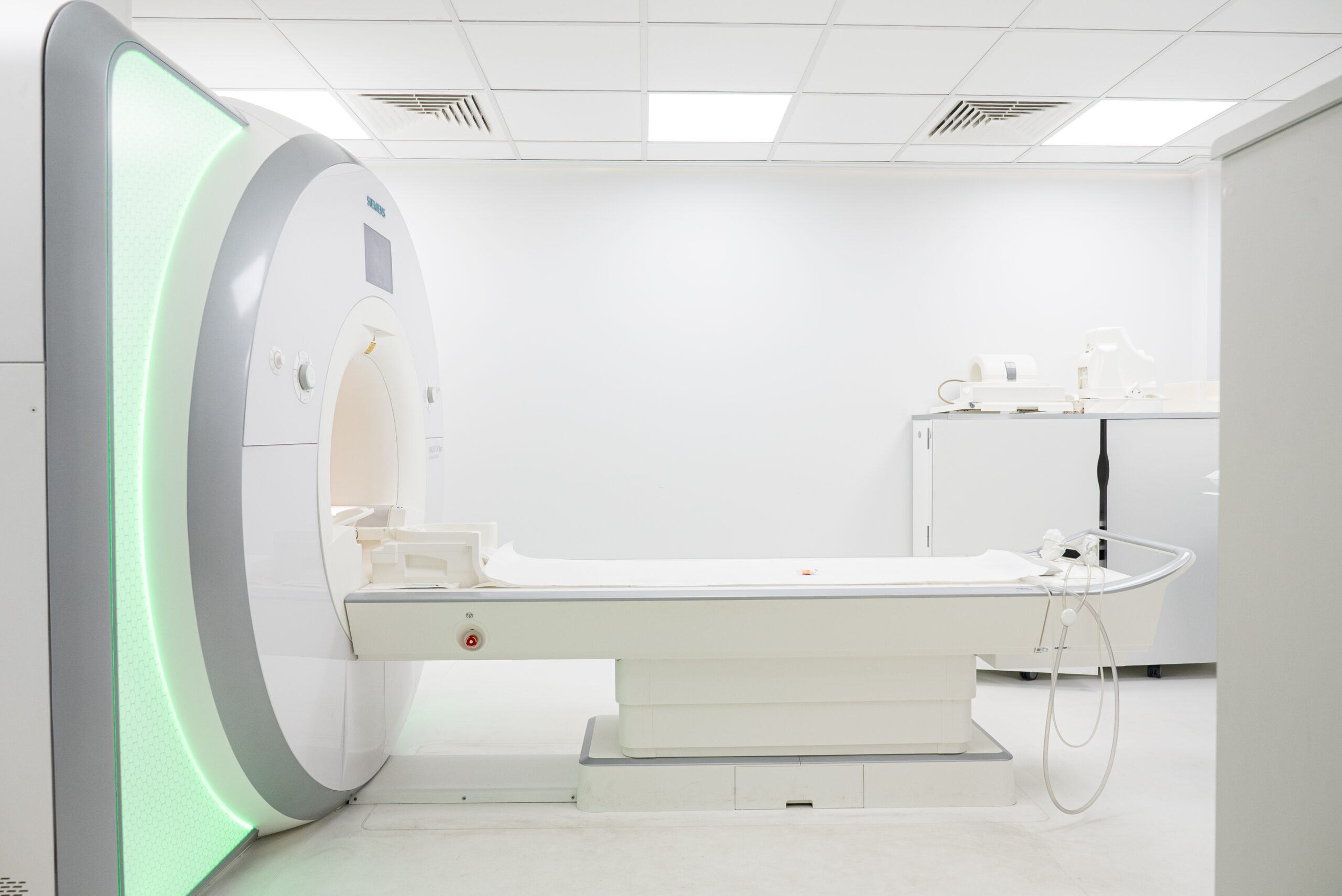
An MRI for sports injuries is a non-invasive imaging technique that uses powerful magnets and radio waves to create highly detailed images of the inside of your body. Unlike X-rays, which are limited to showing bones, an MRI can capture the intricate details of soft tissues like muscles, tendons, ligaments, and cartilage. This makes it an ideal choice for diagnosing sports injuries, which often involve these delicate structures.
The ability of an MRI to generate clear and detailed images of your soft tissues gives medical professionals a comprehensive understanding of the injury’s severity and allows for a more accurate treatment plan. Whether you’re dealing with a sprain, strain, torn ligament, or muscle injury, an MRI can provide clarity and insights that can’t be obtained from physical examinations alone.
Can an MRI Show Muscle Damage?
The short answer is yes. MRIs are particularly effective at identifying soft tissue injuries, including muscle tears, strains, and other forms of muscle damage. Whether you’ve sustained an acute injury or are dealing with the cumulative effects of overuse, an MRI can reveal the extent of the muscle damage and help you get the treatment you need.
Muscle injuries, particularly tears and strains, are common in many sports, from running and cycling to football and tennis. When muscles are overstretched or overloaded, they can tear, causing pain, swelling, and limited movement. An MRI for injuries can pinpoint the exact location and severity of the damage. This enables healthcare professionals to determine the best course of action, whether that’s rest, physiotherapy, or even surgery for severe tears.
The Role of MRIs in Sports Injury Recovery
When you suffer an injury, the first step is usually to seek medical help. In many cases, the next step involves getting an MRI for sports injuries to understand the full scope of the damage. The results of your MRI can significantly impact the direction of your treatment plan and recovery strategy.
Here are a few reasons why MRI for sports injuries is crucial:
1. Accurate Diagnosis
Getting an accurate diagnosis is essential for effective treatment, and MRI for injuries is one of the best tools available for this. It allows doctors to assess not only the location of the injury but also its severity. For example, an MRI can show whether there is muscle damage, whether the tendons are intact, or if there is any damage to the joints or cartilage. This level of detail is difficult to obtain with physical exams alone, making MRI an invaluable diagnostic tool in sports medicine.
Our Oryon Imaging clinicians pride ourselves in effective diagnosis processes, with same day results and thorough feedback from one of our Consultant Radiologists. With our team working so collaboratively, we’re able to allocate your case to a consultant who specialises in your condition, ensuring you’re given the most accurate diagnosis and treatment.
2. Personalised Treatment Plans
The precise details provided by an MRI scan enable healthcare providers to create a treatment plan that’s tailored to your specific injury. With the knowledge of whether the injury involves muscle damage, ligament tears, or cartilage problems, the right approach, whether conservative (e.g., rest and rehabilitation) or more intensive (e.g., surgery), can be chosen. This personalised approach is far more effective than taking a one-size-fits-all approach, speeding up recovery and reducing the likelihood of further injury.
3. Monitoring Progress
MRIs aren’t just useful for diagnosing injuries; they’re also essential for monitoring recovery. As you progress through your treatment plan, your healthcare provider can schedule follow-up MRIs to assess healing and track improvements. This can help ensure that your treatment plan is effective and that you’re on the right path to recovery. If necessary, adjustments can be made based on the MRI findings.
4. Return to Play with Confidence
One of the biggest challenges for athletes and active individuals after an injury is knowing when it’s safe to return to sport. Returning too early can increase the risk of re-injury, delayed healing, or long-term complications. An MRI for sports injuries helps clinicians make more informed decisions by showing whether tissues such as muscles, ligaments, tendons, or cartilage have healed properly.
Rather than relying solely on pain levels or physical examination, MRI imaging provides a clearer picture of what’s happening inside the body. This is especially important for injuries that may feel better on the surface but still show underlying inflammation or damage. By understanding the true stage of healing, healthcare professionals can guide a safer and more effective return-to-play timeline tailored to the individual and the demands of their sport.
At Oryon Imaging, our fast access to appointments and rapid reporting mean you can move through diagnosis, rehabilitation, and recovery planning more efficiently. Whether you’re aiming to return to competitive sport or simply get back to everyday activity without pain, an MRI can provide the confidence and clarity needed to take the next step safely.
When Should You Consider an MRI for Your Sports Injury?
If you’re wondering when to opt for an MRI, here are some common signs that an MRI might be necessary:
- ● Severe pain or swelling that doesn’t improve with rest
- ● Limited range of motion in the injured area
- ● Persistent weakness or instability that hinders movement
- ● Uncertainty about the injury’s severity, particularly with soft tissue damage
If you’re dealing with any of these symptoms after a sports injury, it may be time to consider an MRI. It’s important to remember that early intervention is key in preventing long-term damage and ensuring a faster recovery.
Fast-Track Your Recovery with MRI
An MRI for sports injuries offers numerous benefits for anyone looking to recover faster and more effectively. By providing detailed images of soft tissues, an MRI helps doctors accurately diagnose the extent of injuries such as muscle damage, tears, and strains. With this critical information, a tailored and effective treatment plan can be created, improving recovery times and reducing the risk of re-injury.
Whether you’re dealing with an acute injury or a long-standing issue, an MRI scan can play a crucial role in your recovery process. If you’ve suffered a sports injury and are wondering whether an MRI is the right choice for you, get in touch to book an appointment. We provide fast, reliable MRI services for injuries, and our expert team is here to help you get back on track as quickly as possible.
Why Choose Oryon for your MRI?
By choosing to have an MRI through Oryon Imaging, you can expect to receive the highest quality care straight from the initial phone call. We are a recognised healthcare provider, registered with the Care Quality Commission (CQC) and pride ourselves on our state-of-the-art facilities and great industry connections. Working with qualified specialists, we are able to connect you with the care you need along your journey to recovery, whether that’s a physiotherapist, osteopath or sports consultant.
Our private MRI services are accessible and affordable, with costs starting as little as £275, compared to the national average MRI costing £395. Our prices vary depending on the date and time you choose to book, so be sure to keep an eye on our website for live prices. Here, you can also see our appointment availability and easily select a slot that fits your schedule.
We operate across three main imaging locations in central London, meaning you can choose to visit whichever clinic suits you best. These are Wimpole Street, Harley Street and Dover Street. All three sites are easily accessible via train and car.
Get in touch with our team
If you’re interested in our MRI services and wish to ask our team more about what we offer, get in touch today. Alternatively, if you’re ready to book with our MRI team, view our appointments and live pricing. If you need a referral, we offer a scan referral service for £25.