
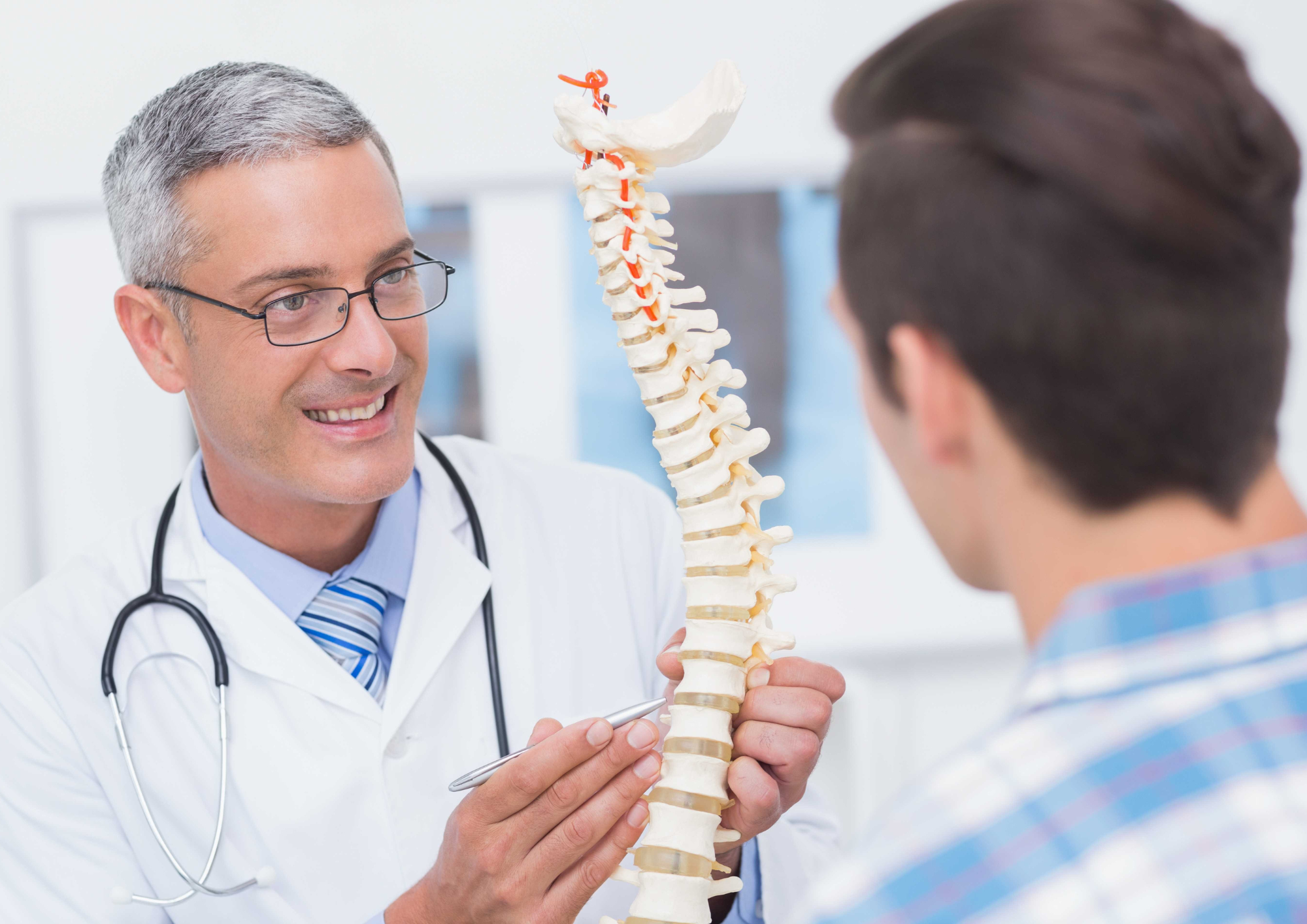
Osteoporosis is a condition that causes bones to become weaker and less dense, increasing the risk of fractures. It develops gradually over many years and often has no obvious symptoms until a bone breaks.
Because bone loss happens silently, many people do not realise they have osteoporosis until they experience a fracture after a minor fall or even normal daily activity.
The good news is that osteoporosis can often be identified before fractures occur through a Bone Health Assessment using a DEXA bone density scan.
What causes osteoporosis?
Healthy bone is constantly being broken down and rebuilt throughout life. As we age, bone is lost more quickly than it is replaced. Over time this reduces bone mineral density and weakens the structure of the bones. Several factors can increase the likelihood of developing osteoporosis, including:
Not everyone with these risk factors develops osteoporosis, but they may increase the need for assessment.
What are the symptoms of osteoporosis?
One of the biggest challenges with osteoporosis is that there are often no symptoms in the early stages. Some people only discover they have osteoporosis after experiencing a fracture. Possible signs include:
Who is at higher risk?
Osteoporosis and menopause
Menopause is one of the most significant risk factors because falling oestrogen levels accelerate bone loss. A baseline bone density assessment can help identify early changes.
Difference between osteoporosis and osteopenia
Osteopenia means bone density is lower than expected but has not yet reached the level used to diagnose osteoporosis.
How is osteoporosis diagnosed?
The standard method for assessing bone mineral density is a DEXA scan.
Can osteoporosis be prevented?
When should you consider a Bone Health Assessment?
Bone Health Screening at Oryon
Our Bone Health Screening service includes expert DEXA bone density assessment performed at our Central London clinics.
Osteoporosis is a condition in which bones become weaker and more fragile due to reduced bone density.
Common causes include ageing, menopause, family history, low body weight, smoking, steroid use and certain medical conditions.
It cannot usually be reversed completely but can often be managed.
Usually not until a fracture occurs.
Using a DEXA bone density scan.
Yes, particularly after menopause.