
WOMEN’S BONE HEALTH
Women’s
Bone Health
Consultant-led reporting
Central London clinics
Same-day appointments
Results within 24 hours*
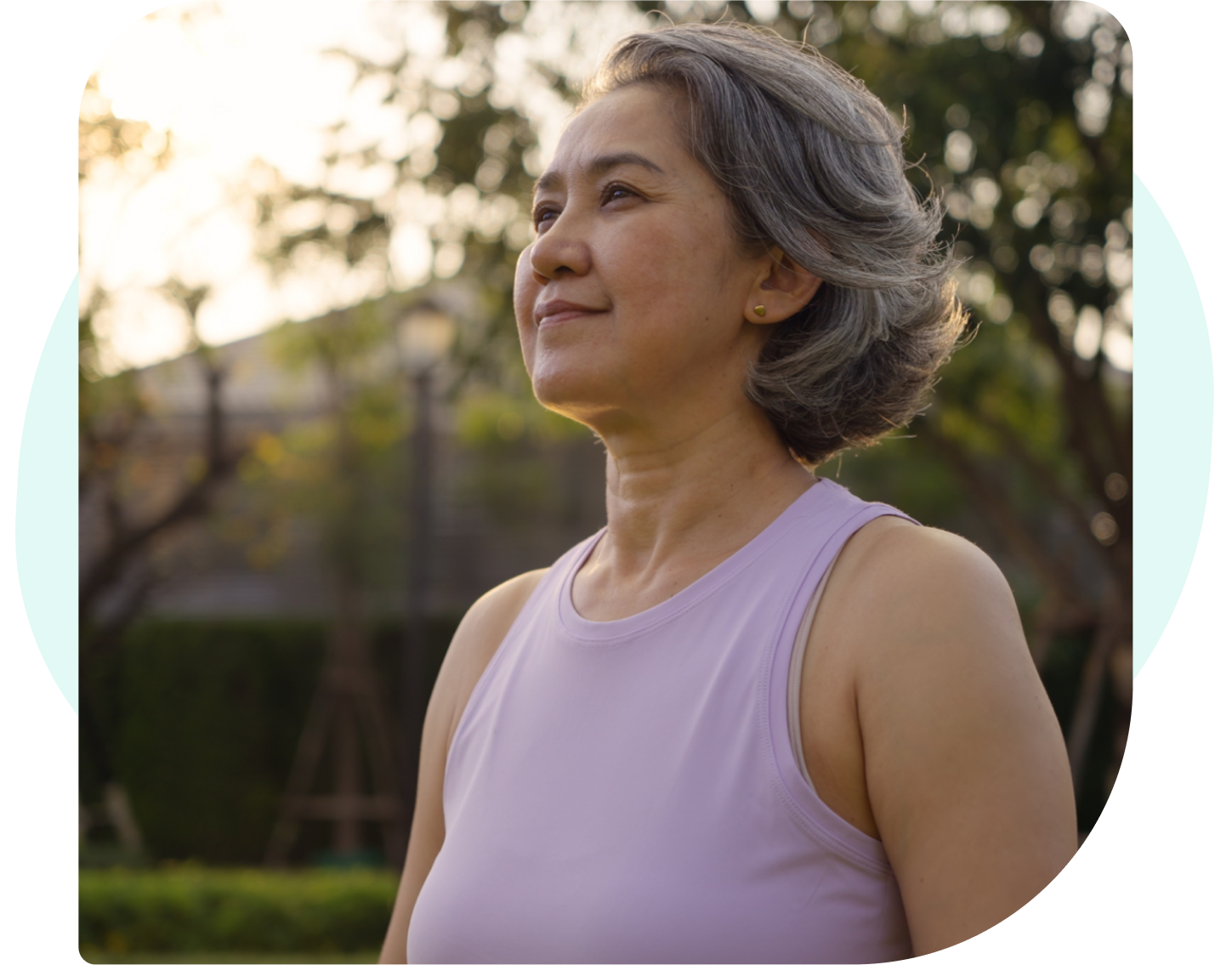
Why is bone health important for women?
Although osteoporosis develops silently, early assessment can identify reduced bone density before fractures occur.
20s to 30s
Peak bone density
40s
Bone density starts to decline
50s
Menopause accelerates bone loss
70s
Higher fracture risk
Bone Health Assessments are commonly recommended for:
Adults over 50+
Anyone with a previous low-impact fracture
People with low body weight
Anyone whose GP has recommended a bone density assessment
Post menopausal
People taking long-term steroid medication
Smokers
Early menopause
Those with a family history of osteoporosis
People with certain nutritional deficiencies
Monitoring your bone health
A Bone Health Assessment isn’t only used to diagnose osteoporosis.
It can also:
01
monitor bone density over time
02
assess whether treatment is working
03
establish a baseline for future comparison
Repeat assessments are often recommended to monitor changes over time. Your clinician will advise the most appropriate interval for your individual circumstances.
Our women’s bone health services
Our expanded bone health service offers a range of assessments to help diagnose osteoporosis, assess fracture risk and better
understand your bone health.
Osteoporosis Screening
Symptoms you shouldn’t ignore
*Report turnaround times are based on working days (Mon-Fri) and may vary depending on scan type and clinical requirements.
Important: The symptoms and risk factors shown on this page are not exhaustive. All imaging and assessments are subject to clinical suitability, referral acceptance criteria and justification where applicable.
Oryon Imaging
Why choose Oryon?
01
Same-day appointments available
02
Consultant musculoskeletal radiologists
03
Results within 24 hours*
04
Harley Street district & Mayfair
05
Trusted by over 700 patients on Trust Pilot

Concerned about
your bone health?
Our team can help determine which assessment is most
appropriate for your needs.
Osteoporosis Screening – DEXA Bone Density Scan
– Bone Health Assessment £115
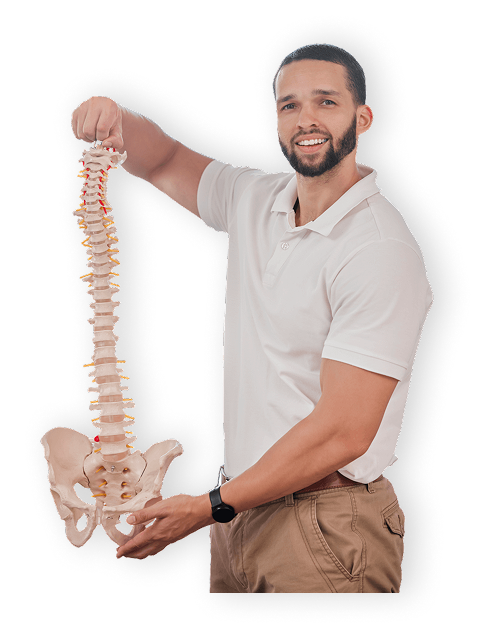
FAQs about DEXA scans for Women’s Bone Health

What is a DEXA scan?
A DEXA scan (Dual-Energy X-ray Absorptiometry) is a quick, low-dose imaging test used
to measure bone mineral density.
What is a Bone Health Assessment?
A Bone Health Assessment is a comprehensive evaluation of your bone strength and fracture risk. Using a DEXA (Dual-Energy X-ray Absorptiometry) scan—the gold standard for measuring bone mineral density—it can help identify osteoporosis, osteopenia and other changes in bone health before symptoms or fractures occur.
At Oryon, our Bone Health Assessment combines advanced DEXA imaging with consultant-led reporting to provide clear, clinically relevant information about your bone health. The assessment may also include additional specialist examinations, where appropriate, to support diagnosis and ongoing management.
Whether you’ve been referred by your GP or consultant, meet the criteria for self-referral, or simply want reassurance about your bone health, a Bone Health Assessment can help you make informed decisions about your long-term wellbeing.
What does a bone density scan assess?
During a DEXA scan, we typically assess:
The hips
The lower spine
These areas are most commonly affected by bone density changes and provide a reliable indication of overall bone health.
Results are compared against established reference values and reviewed by experienced clinicians, helping guide next steps where needed.
What to expect at your DEXA scan
From the moment you arrive, our friendly, experienced team will guide you through each step of your appointment.
The scan itself is painless and usually takes 10–15 minutes. You’ll remain fully clothed and lie comfortably on the scanner table while images are taken.
If you have any questions or concerns, our team is always on hand to help you feel informed and at ease.
Can I self-refer?
Yes, you can apply for a DEXA bone density scan without a referral from a healthcare professional, provided you meet our self-referral criteria and are registered with a UK GP or healthcare practitioner.
Click “Book a DEXA scan” and complete the form. Our clinical team will review your information to confirm whether the scan is appropriate. Once approved, our team will contact you to arrange your appointment.
If a referral is required, our Fast-Track Referral Service can arrange a consultation with an appropriate clinician.
How much does a DEXA scan cost in London
Our DEXA scan London cost is clearly displayed before booking, with pricing starting from £115.
Is a DEXA scan safe?
A DEXA scan is low risk but any concerns you have can be explained to you on the day by a clinician.
How long does a DEXA scan take?
The scan itself typically takes 10–15 minutes.
Where are your DEXA clinics located?
Our clinics are based in the Harley Street district of central London, making access to your bone density scan London appointment straightforward and convenient.
Why is the DEXA considered the gold standard
DEXA (Dual-Energy X-ray Absorptiometry) is recognised as the gold standard for measuring bone mineral density. It provides highly accurate, low-dose imaging that can detect osteoporosis and osteopenia before symptoms develop, helping clinicians assess fracture risk and guide treatment decisions.
What happens if osteoporosis is found?
If your Bone Health Assessment identifies osteoporosis, your consultant or GP will discuss the most appropriate next steps. This may include lifestyle advice, calcium and vitamin D recommendations, further investigations or medication to help strengthen your bones and reduce your risk of fractures. Detecting osteoporosis early allows treatment to begin before a fracture occurs.
What’s the difference between osteoporosis and osteopenia?
Osteopenia means your bone density is lower than normal but not low enough to be classified as osteoporosis. Osteoporosis is a more advanced loss of bone density that significantly increases the risk of fractures. A DEXA bone density scan can accurately identify whether your bone density is normal, reduced (osteopenia) or within the osteoporosis range.
Can I have a body composition assessment at the same appointment?
Body composition assessments use the same DEXA technology to measure body fat, lean muscle mass and fat distribution. These assessments are available for specific clinically justified indications and approved referral pathways. Our team can advise whether this assessment is appropriate for you.
Does menopause cause bone loss?
Yes. Falling oestrogen levels after menopause accelerate bone loss, increasing the risk of osteopenia and osteoporosis.
What are the first signs of osteoporosis in women?
Osteoporosis often develops without symptoms. Some women only discover they have osteoporosis after a low-impact fracture. Loss of height, back pain or a stooped posture may develop later.
Can osteoporosis be prevented after menopause?
While bone loss cannot always be prevented completely, maintaining a healthy lifestyle, ensuring adequate calcium and vitamin D intake, exercising regularly and identifying osteoporosis early can all help reduce fracture risk.
Hear from our patients
My being claustrophobic was dealt with understanding, reassurance and pstience by the Oryon team who were very accommodating in taking the time to listen to my needs, address my questions and fears. I found all their staff, reception too very helpful and pleasant to speak with. . Making my MRI scan experience a pleasant rather than a fearful one. I would certainly be happy to use them again. Thank you all.
Eileen

The whole experience was easy and perfect. Everyone was super nice. I waited less than 5 minutes to get my scan.
Robin
It was an amazing place very quick and an excellent place for MRI I would like to give a special mention to Thursday for taking an amazing care and being very polite with a wonderful smile.
Overall I will give Oryon 5 star
Ahmed Omer
Fast efficient and professional.
Mike Hutter
This is a first time using this service. Smooth service and explanation of what is to take place from staff and indeed the booking process.
Hill
George Doughty
Locations
Where to find us
We have three locations in the heart of London
Wimpole Street
11 Wimpole Street, Marylebone, London W1G 9ST,
Dover Street
The Arts Club 17-18 Dover Street
London, W1S 4LT
Harley Street
75 Harley Street
London, W1G 8QL