Osteoporosis affects the strength and quality of our bones, making them more fragile and more likely to fracture. Yet because osteoporosis itself does not usually cause pain unless a fracture occurs, many people may not know their bone health has deteriorated.
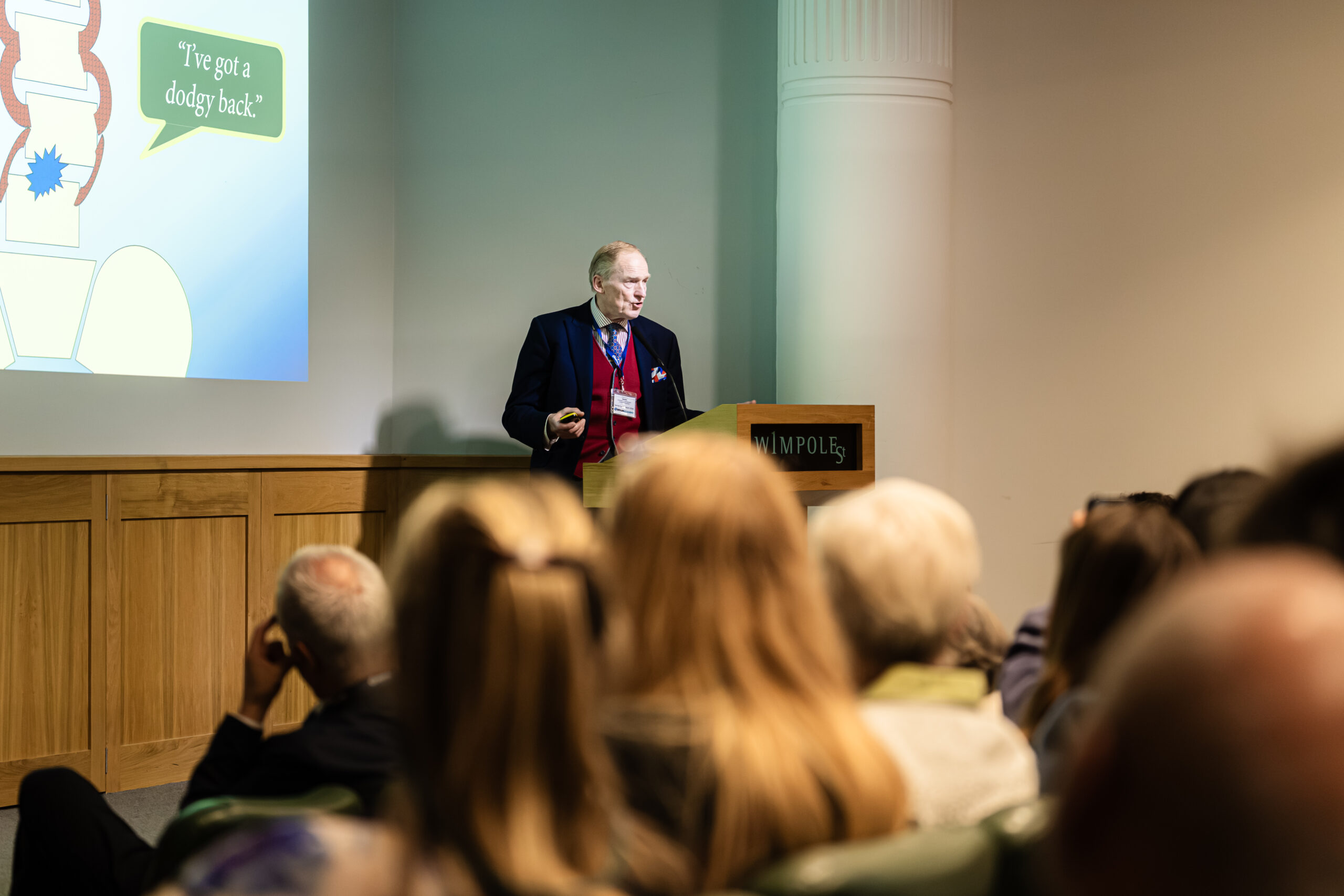
At the Oryon Academy Spinal Symposium, spinal surgeon and Lifestyle Medicine Physician Mr Rajiv Bajekal explored osteoporosis from a broader perspective: what happens to our bones as we age, the factors that can increase our risk, how bone density is assessed and the role lifestyle can play alongside conventional medical care.
From resistance exercise and nutrition to muscle strength and falls prevention, his talk highlighted why looking after our bones involves much more than calcium alone.
What is osteoporosis?
Osteoporosis is characterised by deterioration in bone quality, making bones more brittle and susceptible to fracture.
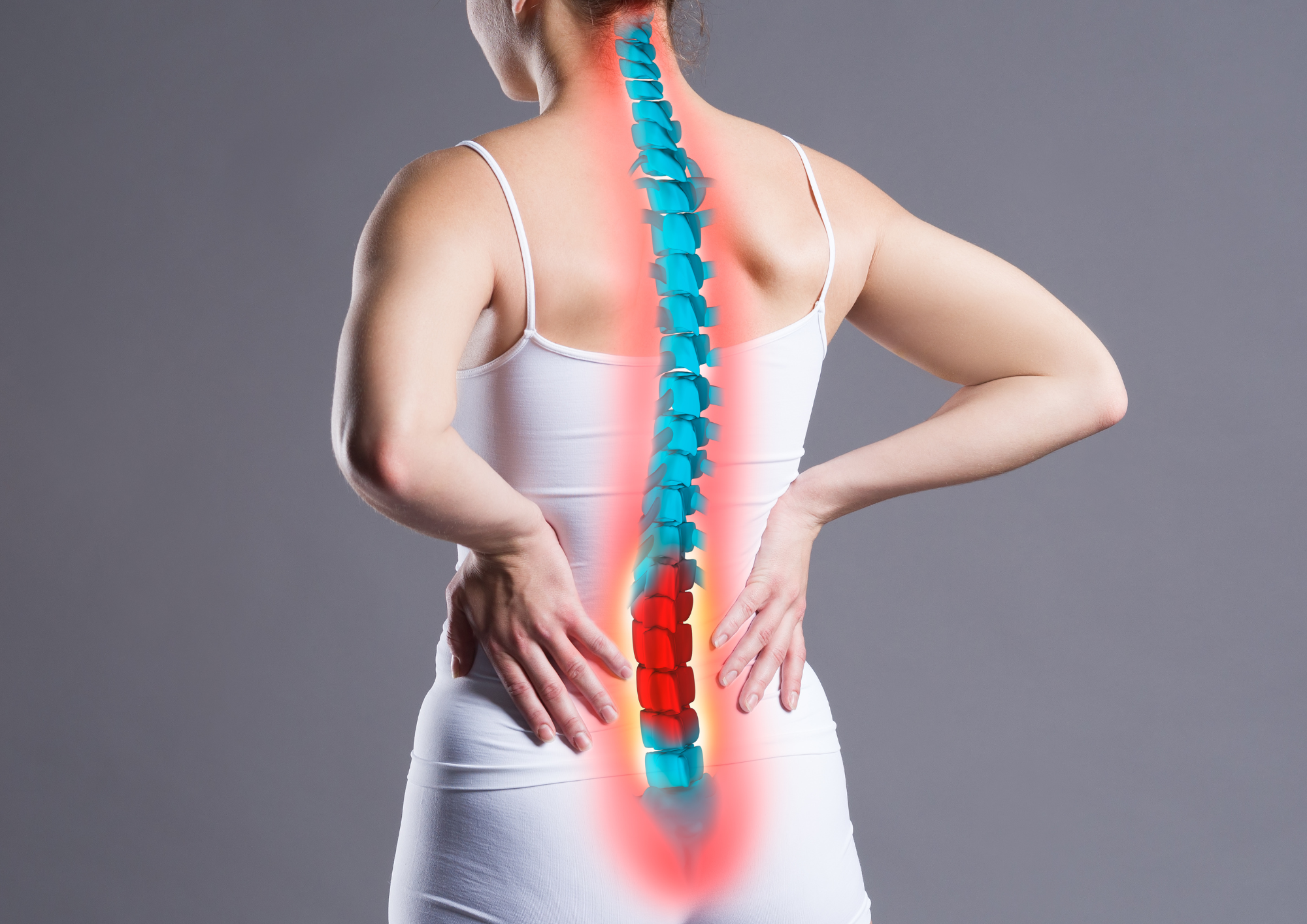
One of the difficulties with osteoporosis is that it can progress without obvious symptoms. As Mr Bajekal explained during his presentation, osteoporosis itself is not generally painful; pain is more likely to occur when a fracture has taken place.
Fractures are therefore one of the main concerns associated with osteoporosis, particularly those affecting the spine and hip.
What happens to our bones as we get older?
Our skeleton is continually changing.
Bone mass generally reaches its peak at around 30 years of age. It then plateaus before gradually declining as we get older, with women experiencing additional bone loss around and after menopause. Muscle mass also declines with age.
This relationship between bone and muscle health is particularly important. Strong muscles support mobility, balance and physical function, while reduced muscle strength can contribute to falls, one of the major ways osteoporotic fractures occur.
Who is at greater risk of osteoporosis?
There is no single cause of osteoporosis, and an individual’s risk can be influenced by a combination of factors.
Mr Bajekal highlighted several recognised risk factors during his presentation, including:
Understanding these factors can help identify people who may benefit from further assessment.
How is osteoporosis assessed?
A DEXA scan – dual-energy X-ray absorptiometry – is commonly used to assess bone mineral density.
The hips and spine are typically assessed because fractures in these areas can have particularly significant consequences. DEXA results can then be considered alongside factors such as age, medical history and other osteoporosis risk factors.
At Oryon, our DEXA Bone Health Assessment provides an assessment of bone mineral density.
If osteoporosis is a particular concern, you can also find out more about Osteoporosis Screening at Oryon.
Why is osteoporosis particularly important for women?
Although osteoporosis can affect both men and women, changes around menopause can make bone health particularly important for women.
Oestrogen plays an important role in maintaining bone. As oestrogen levels decline during and after menopause, the rate of bone loss can increase. Mr Bajekal highlighted the postmenopausal period as an important stage in the lifetime trajectory of bone health.
This makes understanding individual risk factors and taking steps to support bone and muscle health increasingly important during midlife and beyond.
Oryon’s Women’s Bone Health service provides further information about bone health assessment for women.
What is lifestyle medicine?
Lifestyle medicine uses evidence-based lifestyle approaches alongside conventional medicine to help prevent and manage chronic disease.
Mr Bajekal described six pillars of lifestyle medicine:
Nutrition, physical activity, restorative sleep, stress management, avoidance of risky substances and positive social connection.
In relation to osteoporosis, his presentation placed particular emphasis on physical activity, strength, nutrition and reducing the risk of falls.
Why is exercise important for bone health?
Our bones respond to the demands placed upon them.
Mr Bajekal discussed Wolff’s Law, the principle that healthy bone adapts to mechanical loading. Weight-bearing activity and resistance training therefore have an important role in maintaining musculoskeletal health.
Resistance exercise can also help maintain muscle strength as we age.
This matters because preventing fractures isn’t simply about improving the strength of the bone itself. Reducing the likelihood of falling is important too.
Strength, balance and preventing falls
Osteoporosis can make a fracture more likely if a fall occurs, but several other factors can influence whether somebody falls in the first place.
These include:
balance, vision and muscle strength.
Mr Bajekal therefore emphasised resistance training, balance and maintaining physical function as part of a wider approach to osteoporosis and fracture prevention.
For people new to resistance exercise, particularly those already diagnosed with osteoporosis or another health condition, appropriate professional advice and supervision may be important before beginning a new programme.
What role does nutrition play in bone health?
Nutrition was another major theme of Mr Bajekal’s presentation.
Rather than focusing on a single nutrient, he advocated a predominantly whole-food, plant-based dietary pattern and discussed the importance of obtaining adequate protein, vitamins and minerals.
Protein is particularly relevant as we get older because it supports the maintenance of muscle as well as wider musculoskeletal health. Mr Bajekal discussed foods including beans, lentils, peas, soya, nuts, seeds and whole grains as sources of plant protein.
He also highlighted the importance of eating a varied diet rich in whole foods rather than viewing individual supplements as a substitute for overall dietary quality.
What about calcium and vitamin D?
Calcium is an important component of bone, while vitamin D helps the body absorb calcium and also contributes to normal muscle function.
Mr Bajekal’s presentation encouraged obtaining calcium from food and fortified foods where possible and highlighted vitamin D as another important consideration for bone health.
Individual nutritional or supplementation requirements can vary, however, so anyone concerned about a deficiency or their osteoporosis risk should discuss this with an appropriate healthcare professional.
Bone health and muscle health go together
One of the particularly useful themes from the talk is that healthy ageing isn’t simply about preserving bone density.
Bone and muscle both decline as we age, and maintaining muscle strength can support mobility, balance and independence as well as helping to reduce the risk of falls.
For people interested in understanding their muscle and body composition in more detail, Oryon also offers DEXA Body Composition Analysis, which provides measurements including lean and fat mass.
Can lifestyle prevent osteoporosis?
There is no single lifestyle change that can guarantee osteoporosis will be prevented, and some risk factors, including age, genetics and hormonal changes – cannot be modified.
However, Mr Bajekal’s presentation demonstrates how a combination of regular physical activity, resistance exercise, appropriate nutrition, maintaining muscle strength, avoiding smoking and excessive alcohol, and reducing the risk of falls can form part of a wider approach to supporting bone health throughout life.
For people who already have osteoporosis or are at increased risk, lifestyle measures should complement appropriate clinical assessment and medical care rather than replace them.
Understand your bone health
Because osteoporosis can develop without obvious symptoms, assessing bone health can be particularly useful for people with relevant risk factors.
Oryon offers a range of DEXA-based services depending on what you want to understand:
DEXA Bone Health Assessment – assess bone mineral density and overall bone health
Women’s Bone Health – information and assessment focused on women’s bone health
Osteoporosis Screening – assessment for people concerned about osteoporosis and bone density
Body Composition Analysis – assess lean mass, fat mass and overall body composition
Watch Mr Rajiv Bajekal’s full talk
You may be asked to log in to the Oryon Practitioner Portal to access the recording.
Find a practitioner
If you would like specialist advice about your bone health, osteoporosis or the results of diagnostic imaging, Oryon’s Practitioner Finder can help you find an appropriate healthcare professional.