
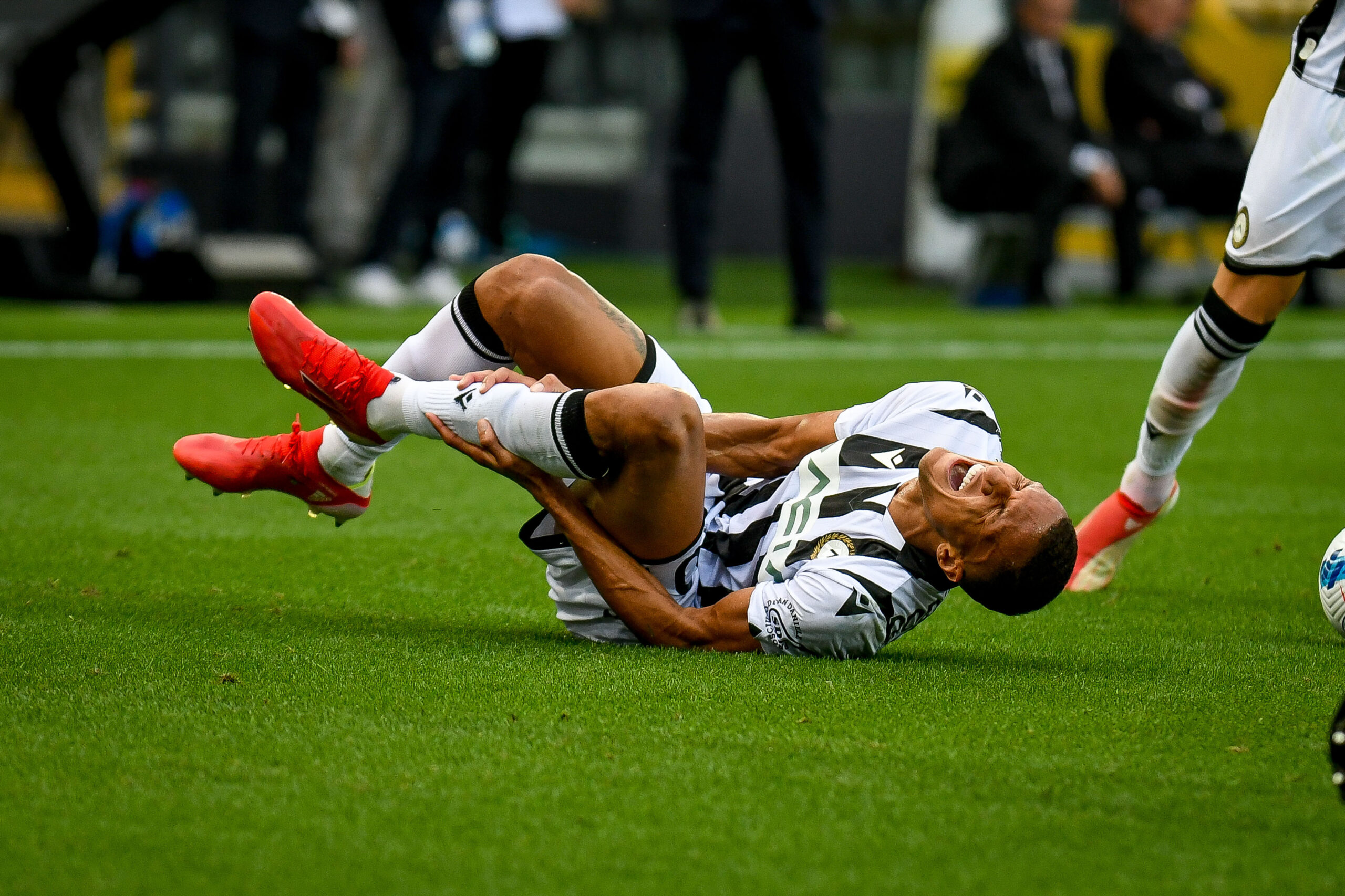
With the World Cup reaching its final stages, football fever is inspiring people across the country to get back on the pitch.
Whether you play five-a-side after work, compete for a local club or have simply joined a casual kickabout, football places significant demands on the muscles, ligaments and joints.
Sudden changes of direction, tackles, sprinting and striking the ball can all cause injury. Some problems settle with rest and rehabilitation, but persistent pain, swelling or instability may need further assessment.
If you have picked up a football injury and do not already have a referral, Oryon’s Fast Track Referral Service costs just £25. A specialist can assess your symptoms and, when clinically appropriate, provide a referral for an MRI scan.
What are the most common football injuries?
Football injuries can happen suddenly following a tackle, twist or awkward landing. Others develop gradually through repeated training, overuse or insufficient recovery.
Common areas of football-related pain include the:
- Knee
- Ankle
- Hamstring
- Groin
- Calf
- Achilles tendon
- Foot
- Lower back
The symptoms of different injuries can overlap, which is why getting an appropriate clinical assessment matters.
1. Knee injuries from playing football
The knee is particularly vulnerable during football because it must cope with twisting, sudden stopping and rapid changes of direction.
A player may injure their knee without direct contact, particularly when turning while the foot remains planted on the ground.
Common football knee injuries include:
- Anterior cruciate ligament injuries
- Medial collateral ligament injuries
- Meniscus tears
- Cartilage injuries
- Patellar tendon injuries
- Bone bruising
Symptoms that may need assessment
Speak to a healthcare professional if you experience:
- A popping sensation at the time of injury
- Rapid swelling
- Difficulty putting weight through the leg
- A feeling that the knee is giving way
- Locking or catching
- Difficulty fully straightening or bending the knee
- Pain that is not improving
Severe pain, swelling, restricted movement and a knee that gives way are recognised warning signs of a significant knee injury.
ACL injuries
The anterior cruciate ligament, commonly known as the ACL, helps stabilise the knee.
ACL injuries frequently occur during pivoting, landing or changing direction. A player may hear or feel a pop, followed by swelling and instability.
An ACL injury does not always mean the ligament has completely torn. A clinical assessment and appropriate imaging can help determine the location and severity of the damage.
MRI can provide detailed images of the ligaments, cartilage, menisci and surrounding soft tissues inside the knee.
Meniscus tears
The menisci are pieces of cartilage that help cushion the knee joint.
A meniscus may tear when the knee twists while the foot is planted. Some people remain able to walk or even continue playing initially, before stiffness and swelling develop over the following days.
Common symptoms include:
- Knee pain
- Stiffness and swelling
- Catching or locking
- A feeling that the knee may give way
- Reduced movement
These are recognised symptoms of a meniscus tear, although similar symptoms can also be caused by other knee problems.
2. Ankle sprains and ligament injuries
Ankle sprains are extremely common in football.
They can occur when the foot rolls during a tackle, an awkward landing or a sudden change of direction. An ankle sprain happens when the ligaments supporting the joint are overstretched or damaged.
Symptoms may include:
- Pain around the ankle
- Swelling
- Bruising
- Difficulty bearing weight
- Reduced movement
- A feeling of instability
Many ankle sprains improve with appropriate self-care and rehabilitation. However, persistent pain, considerable swelling or an inability to bear weight should be assessed.
Depending on the injury, an X-ray may be used to check for a fracture. MRI may be considered when a clinician suspects damage to ligaments, tendons, cartilage or other soft tissues.
3. Hamstring strains and tears
The hamstrings are a group of muscles running down the back of the thigh.
Footballers rely on them for sprinting, accelerating and kicking. A hamstring injury may happen during a sudden burst of speed or when the muscle is overstretched.
Common symptoms include:
- Sudden pain at the back of the thigh
- A pulling or tearing sensation
- Tenderness
- Weakness
- Swelling or bruising
- Pain when walking or running
Many hamstring strains recover with appropriate treatment and rehabilitation. More significant tears can take longer and may affect surrounding structures.
MRI may be used when the injury appears severe, symptoms are not improving or a specialist needs to understand the location and extent of a suspected tear.
4. Groin strains
Groin injuries commonly affect the muscles of the inner thigh and can also cause discomfort around the lower abdomen.
They can result from:
- Sudden changes of direction
- Stretching for the ball
- Forceful kicking
- Sprinting
- Repeated training without enough recovery
Symptoms can include:
- Pain in the inner thigh or groin
- Pain when bringing the legs together
- Discomfort when kicking or changing direction
- Tenderness or swelling
- Reduced strength
Not every groin injury requires imaging. However, recurrent or persistent groin pain can have several possible causes, and an assessment can help establish whether further investigation is appropriate.
5. Calf strains
Calf strains can happen when a player accelerates, pushes off to sprint or changes direction suddenly.
You may experience:
- Sudden pain in the calf
- Tightness
- Swelling
- Bruising
- Difficulty walking or pushing through the foot
A mild strain may improve with rest and gradual rehabilitation. More severe pain or difficulty walking should be assessed, particularly if the pain occurred suddenly.
Calf pain accompanied by unexplained swelling, warmth, redness, chest pain or breathlessness requires urgent medical attention, as these symptoms may not be caused by a sports injury.
6. Achilles tendon injuries
The Achilles tendon connects the calf muscles to the heel.
It is placed under substantial strain when running, jumping and accelerating. Achilles problems can develop gradually, but the tendon can also rupture suddenly.
Symptoms may include:
- Pain or stiffness above the heel
- Swelling around the tendon
- Pain when running or pushing off
- A sudden snap or popping sensation
- Difficulty standing on tiptoe
A suspected Achilles rupture should be assessed promptly.
Ultrasound or MRI may sometimes be used to evaluate the tendon, depending on the clinical findings and the information required.
7. Foot injuries and stress fractures
Football can also cause pain in the foot through direct impact, twisting or repetitive loading.
Possible injuries include:
- Toe and metatarsal fractures
- Ligament injuries
- Tendon problems
- Bone stress injuries
- Joint damage
Seek medical assessment if you cannot put weight on the foot, there is significant swelling or deformity, or the pain followed a forceful tackle or impact.
An X-ray is often the first examination when a fracture is suspected. MRI may be useful for certain injuries that are not clearly visible on an initial X-ray, including some bone stress injuries and soft-tissue damage.
When might a football injury need an MRI?
Not every football injury requires an MRI scan.
A healthcare professional should first assess how the injury happened, where the pain is located and whether there is swelling, weakness or instability. Imaging is most useful when the result is likely to influence the diagnosis or treatment plan.
MRI may be considered when:
- Pain is not improving as expected
- The joint feels unstable
- The knee locks or repeatedly gives way
- There was a pop at the time of injury
- Significant swelling developed
- You cannot return to normal activity
- Symptoms keep returning
- A ligament, tendon, muscle or cartilage injury is suspected
- Your clinician needs more information before planning treatment
MRI uses a strong magnetic field and radio waves to create detailed images of the body. It is particularly useful for examining soft tissues such as muscles, ligaments, tendons and cartilage.
For acute injuries, another type of imaging may be more appropriate first. For example, an X-ray may be recommended when a fracture is suspected.
Do you need a referral for an MRI scan?
An MRI scan must be clinically appropriate and requires a referral.
You may already have a referral from a GP, physiotherapist, osteopath, consultant or another qualified healthcare professional.
If you do not have one, Oryon’s Fast Track Referral Service provides a quick and straightforward next step for just £25.
A specialist will assess your symptoms and determine whether an MRI scan is appropriate. When it is, they can provide the referral you need to arrange your scan.
This can help you avoid waiting for a routine GP appointment simply to begin the referral process.
Already have an MRI referral?
If you already have a referral, you can book your MRI scan directly with Oryon.
We offer appointments seven days a week across our central London clinics, with a range of appointment times and prices available.
Your images will be reviewed by an expert radiologist, and the report will be sent to your referring clinician to support the next stage of your care.
When should a football injury receive urgent medical attention?
Seek urgent medical help following an injury if:
- The limb or joint looks deformed
- You cannot move the affected area
- You cannot bear weight
- There is severe or rapidly worsening pain
- The limb feels numb, cold or changes colour
- You have sustained a significant head, neck or spinal injury
- You lose consciousness
- You develop chest pain or difficulty breathing
After a head injury, do not return to football until you have been assessed and it is safe to do so. MRI is not automatically the first or most appropriate investigation for an acute head injury.
Call 999 or attend an emergency department when symptoms are severe or potentially life-threatening.
Get answers and plan your recovery
Whether you play competitively or only join the occasional kickabout, an injury can affect much more than your time on the pitch.
Continuing to play through persistent pain may delay recovery or make the problem harder to manage. An appropriate clinical assessment can help establish what has been injured and what should happen next.
If you have knee, ankle, hamstring, groin, calf or foot pain after playing football, Oryon’s £25 Fast Track Referral Service can help you access an assessment quickly.
If an MRI scan is appropriate, you can then book at one of our central London clinics and receive the information your clinician needs to guide your treatment and recovery.